More thoughts on this subject. What are the functional requirements of a travel camera? Obviously it needs to be able to take decent images. It preferably can be mounted on a mini tripod. It can take long exposures. But above all, it must be portable; preferably can fit into your pocket. Is a phone adequate? Let’s look at some images and see.
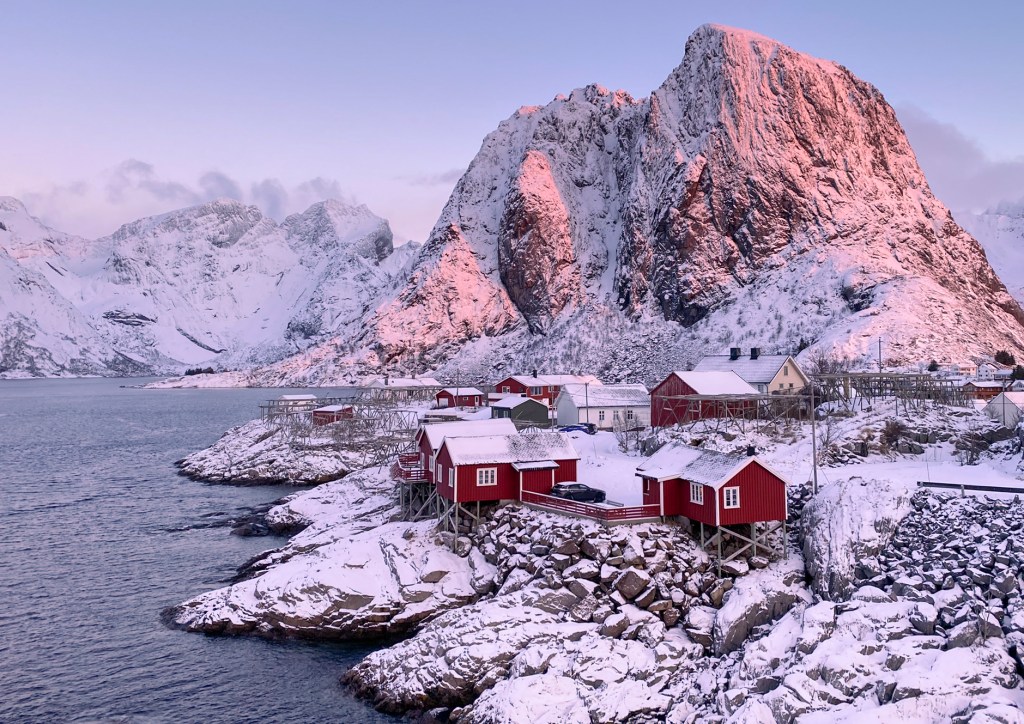
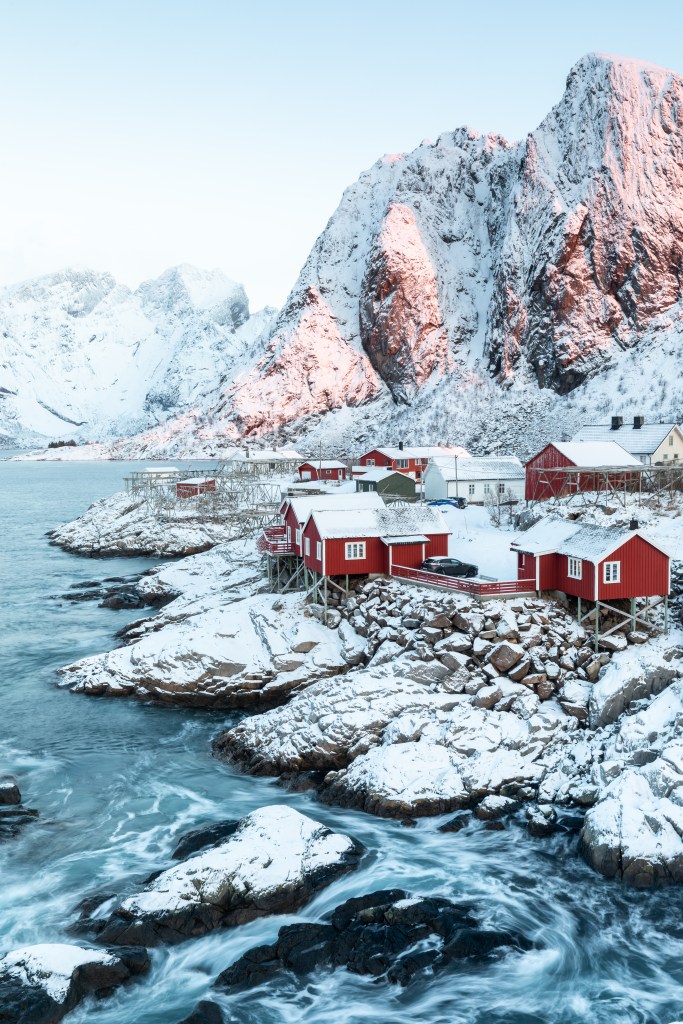
This image of Lofoten was taken with an iphone. It’s a nice image in the early morning light. I have one that is similar, a 10×16 on a wall in the house. These will happily go up to that size without loss of resolution, although I wouldn’t go any bigger. That’s about the limit.
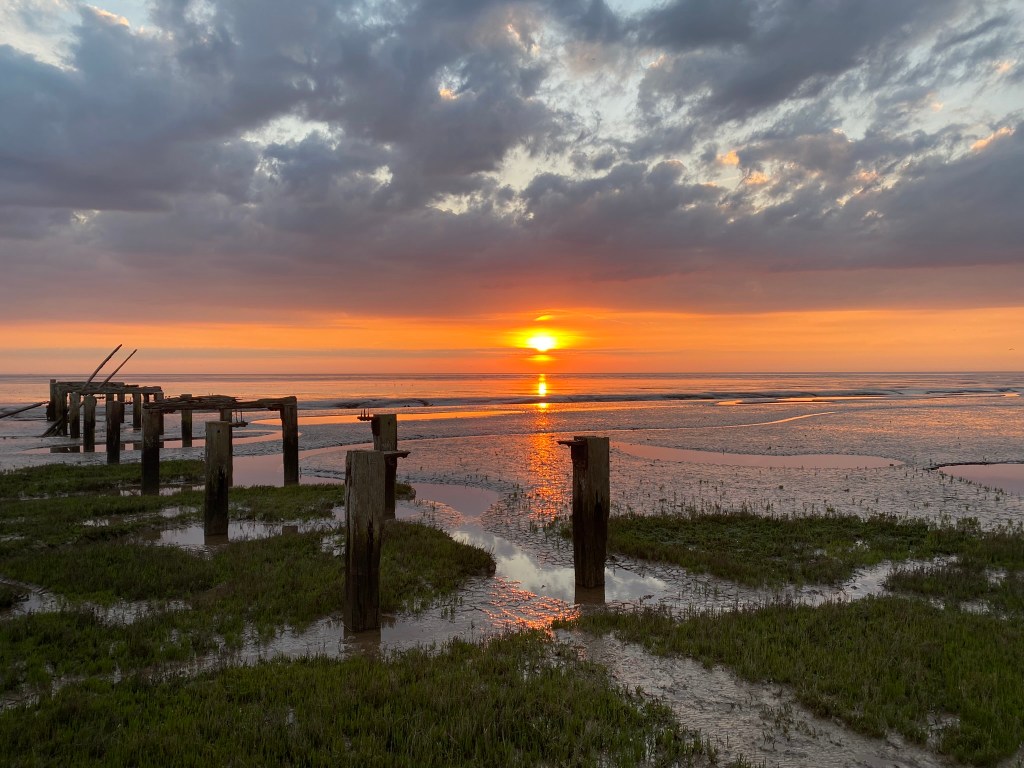
The above image of Snettisham Jetty near Hunstanton was taken when I was working on Viking Link in Lincolnshire. The Jetty was build during WW2 to load shingle for concrete required in huge quantities for the many airfield built in the area.
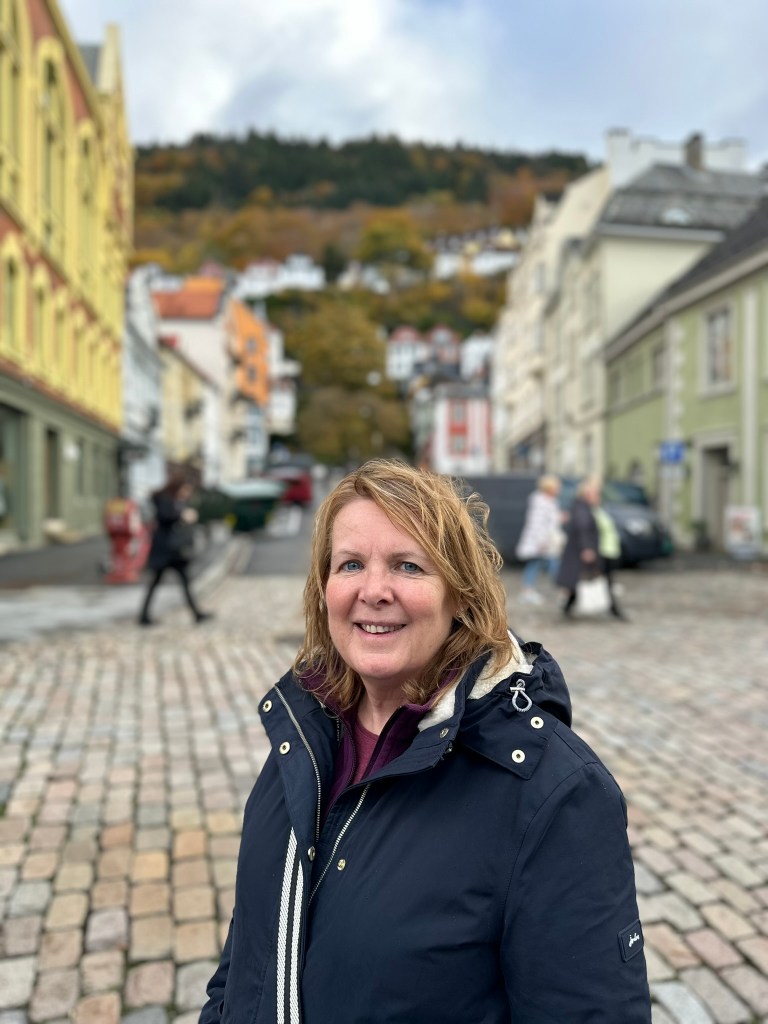
The iphone is also decent for portraits : this one of my better half was in Bergen last October. Portraiture mode really blurs the background and isolates the subject. Fine for travel photography.
A phone is really useful if you are travelling. I would not use it for low light situations, but in decent light it is adequate and certainly fit for purpose in general. I often use it when I’m out and about if I can’t be bothered taking out tripods and filters etc.
Sony RX-100
I bought this as an alternative to the phone; it is light and portable and can shoot RAW (something my phone also does incidentally)
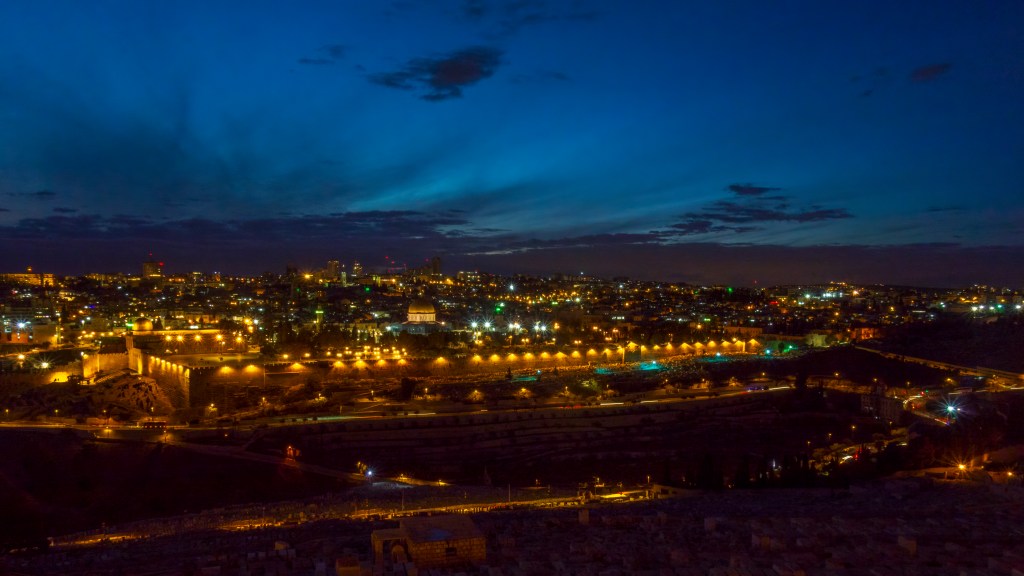
This image of Jerusalem was taken in low light at a fairly high ISO. It’s nothing special, but a decent enough blue hour record shot.
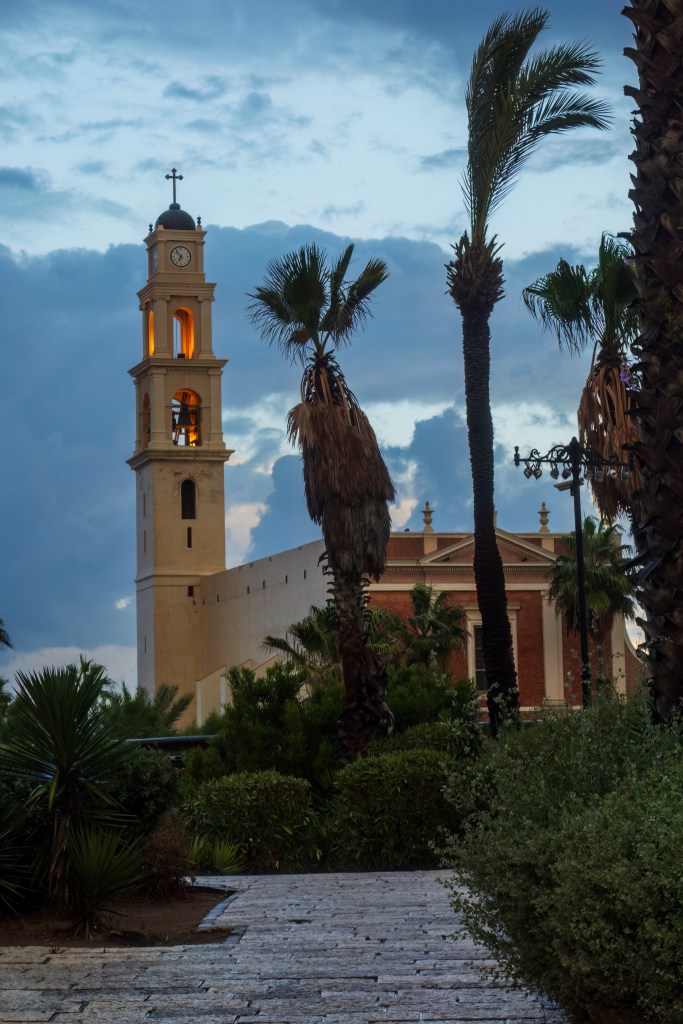
Taken very early, there is more detail in this image of St Peters Church in Jaffa than you would get with a phone. Same goes for this beach in Tel Aviv, looking back up to the Church.
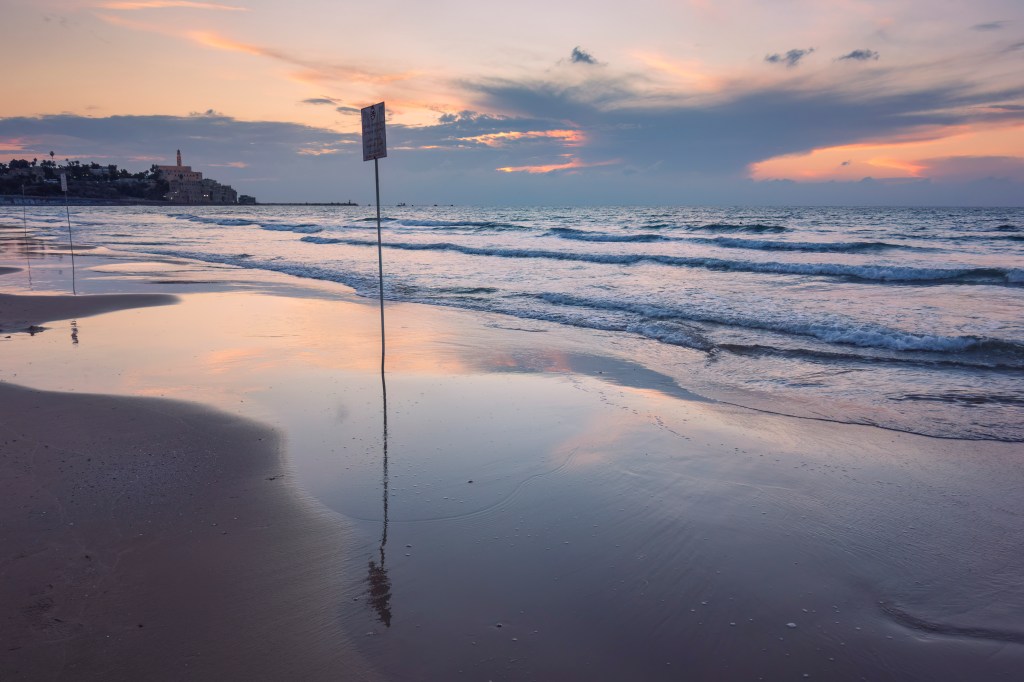
If I’m honest, the performance of the RX100 underwhelmed me.
SONY A6000
I bang on about this camera so much you would think I was a Sony user. I’m not. But I stick with this as my main travel camera. Here’s why.
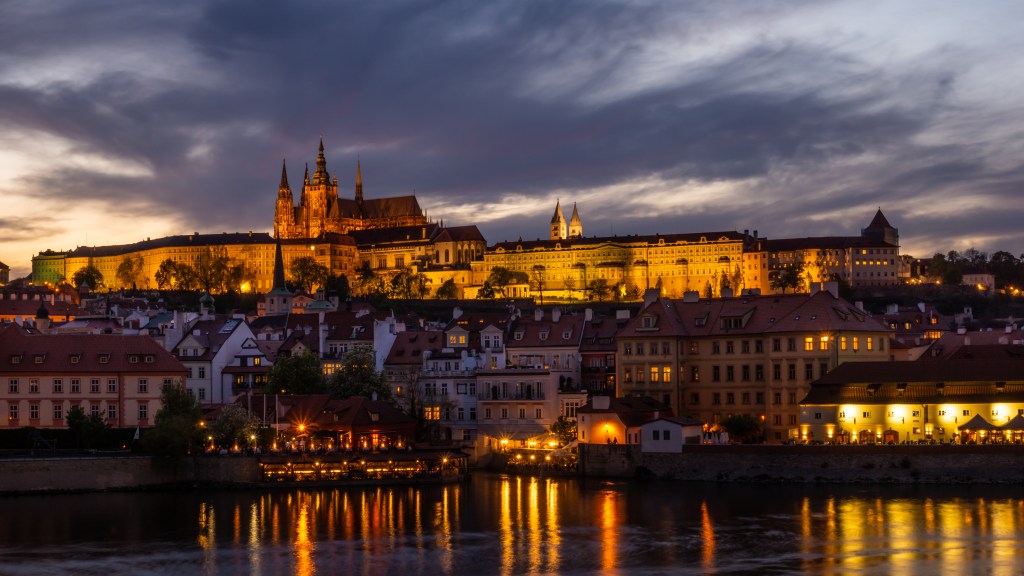
I admit I had the camera mounted on a small Manfrotto travel tripod, but even supposing you would never achieve this with an iphone or even the RX100 in my opinion. Bear in mind this has only a crop frame sensor as well.
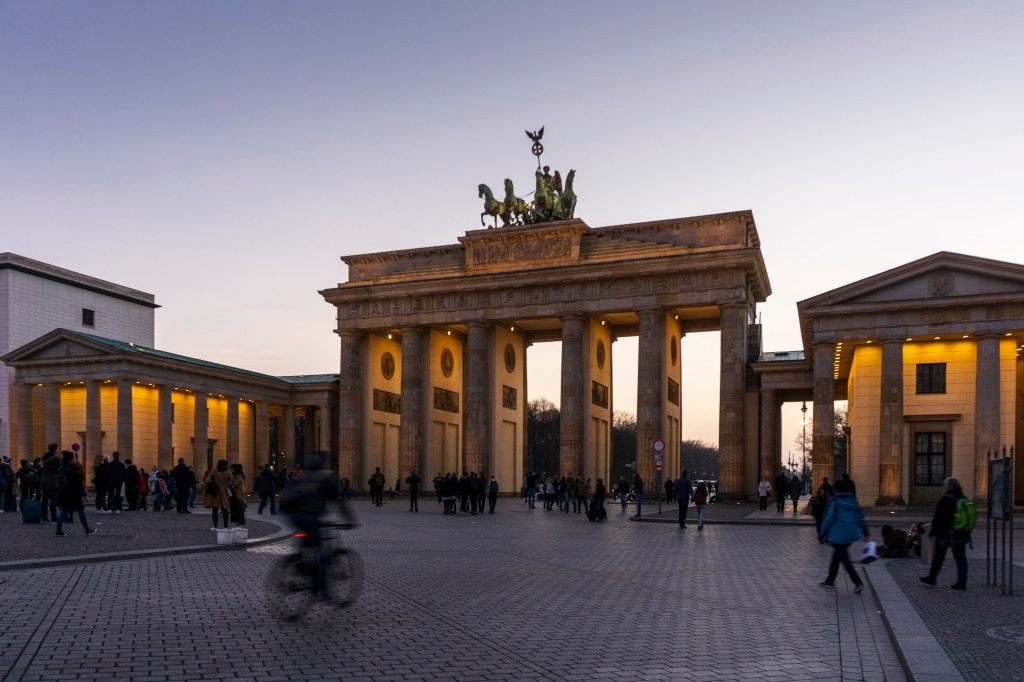
For the Brandenburg Gate the camera was mounted on a tiny little tripod at ground level. You would never be able to put up a larger tripod here or in the likes of Rome (below). Too busy.
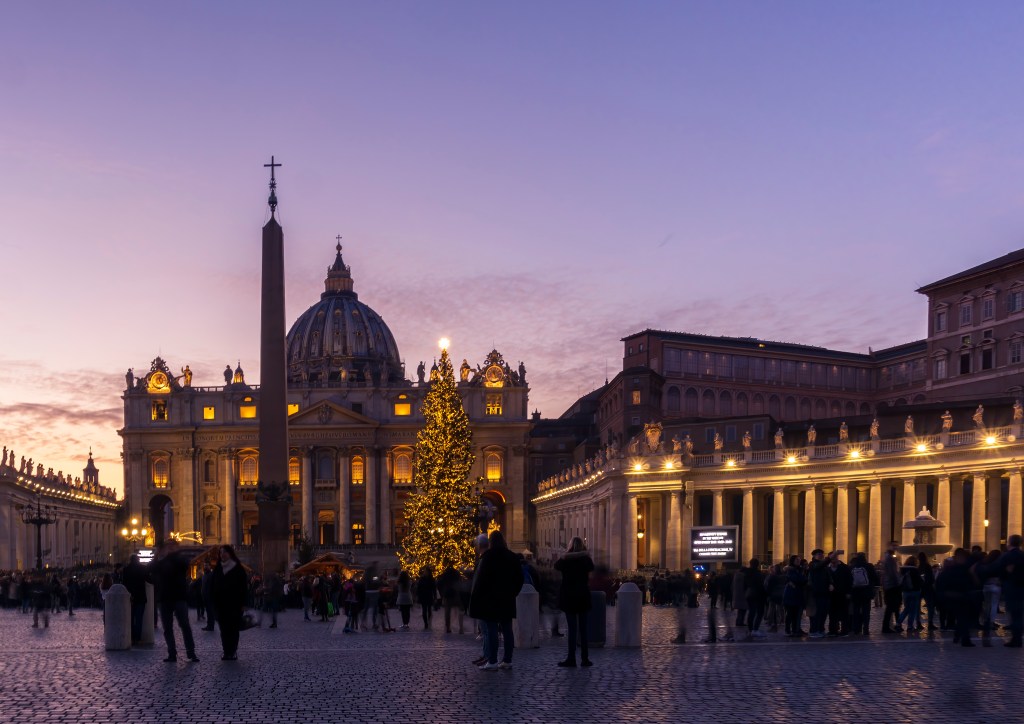
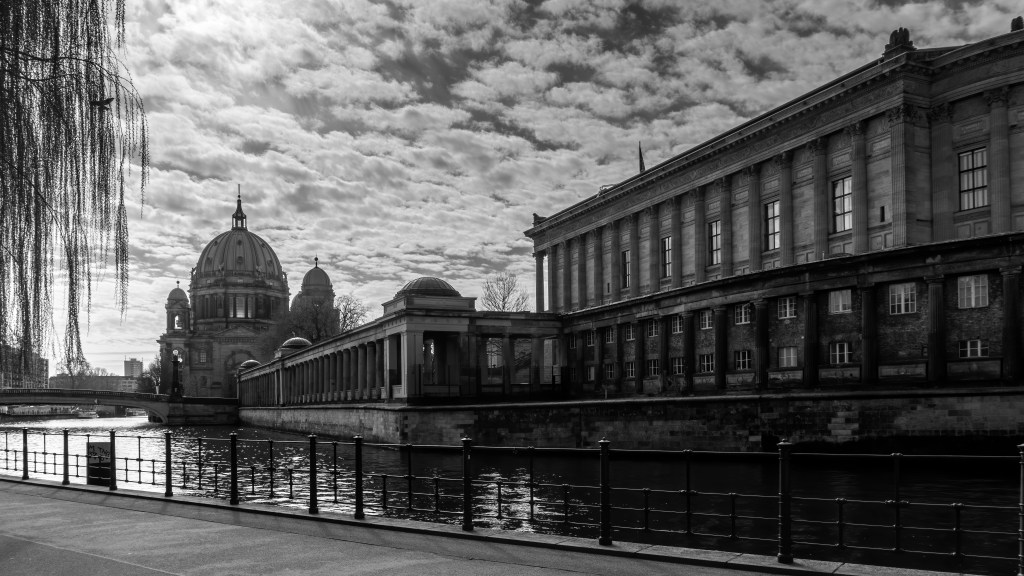
The A6000 is so portable it sits in my pocket. I just use it with the kit lens. It’s easy to hand hold as with the shot below.
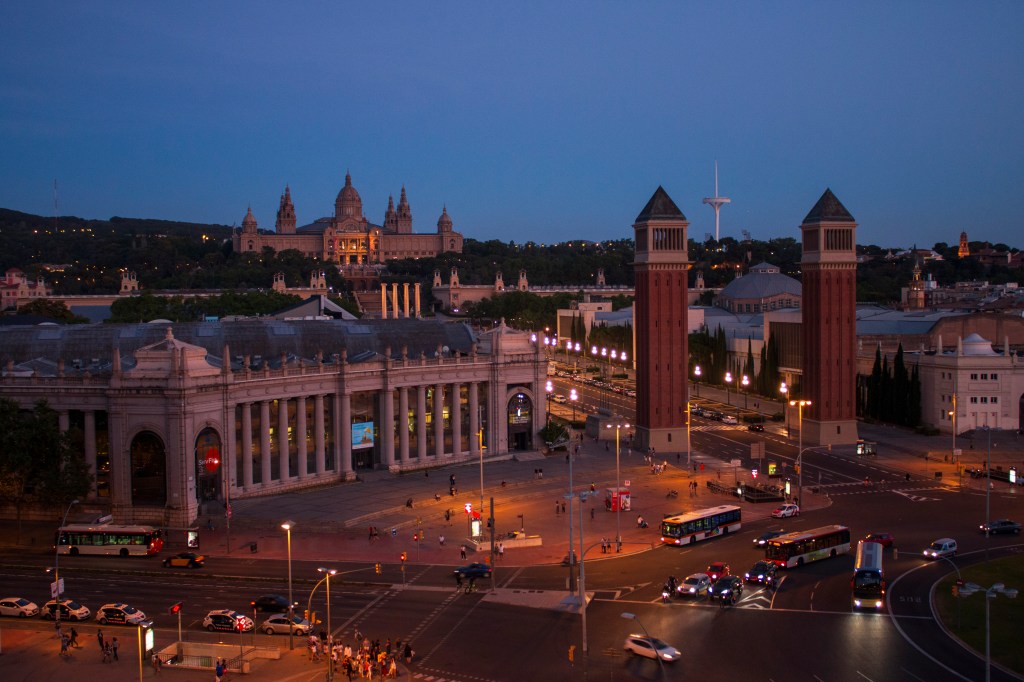
The above was taken with a cropped frame as well, but a Canon, and it is much bulkier than the Sony. I’m more used to the menu system but it’s too bulky
Full Frame
I have taken photos with full frame cameras, but these have tended to be on organised trips where I am specifically there to take photographs.
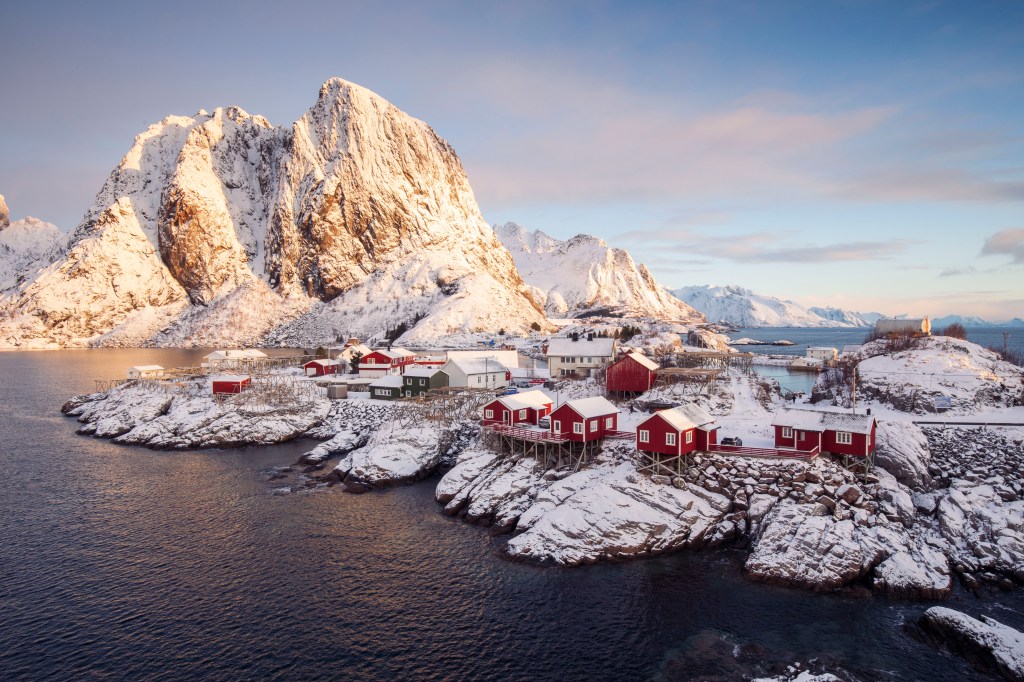
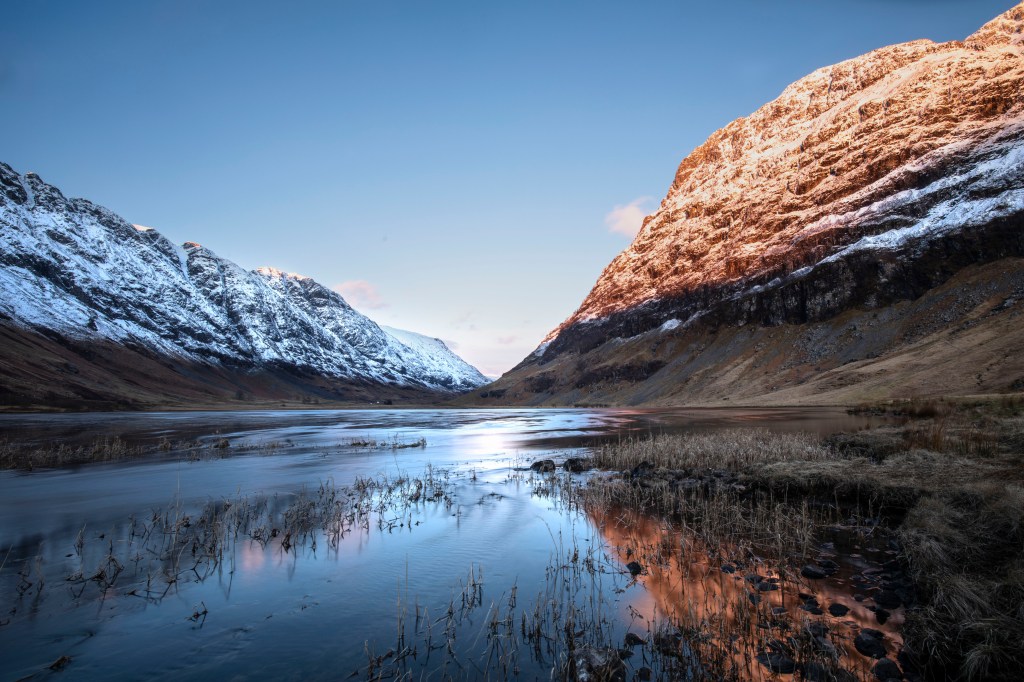
However, when I am at work (and not travelling) I will sometimes take the big camera out. This one from Glencoe when I did the fishfarm with Robertson
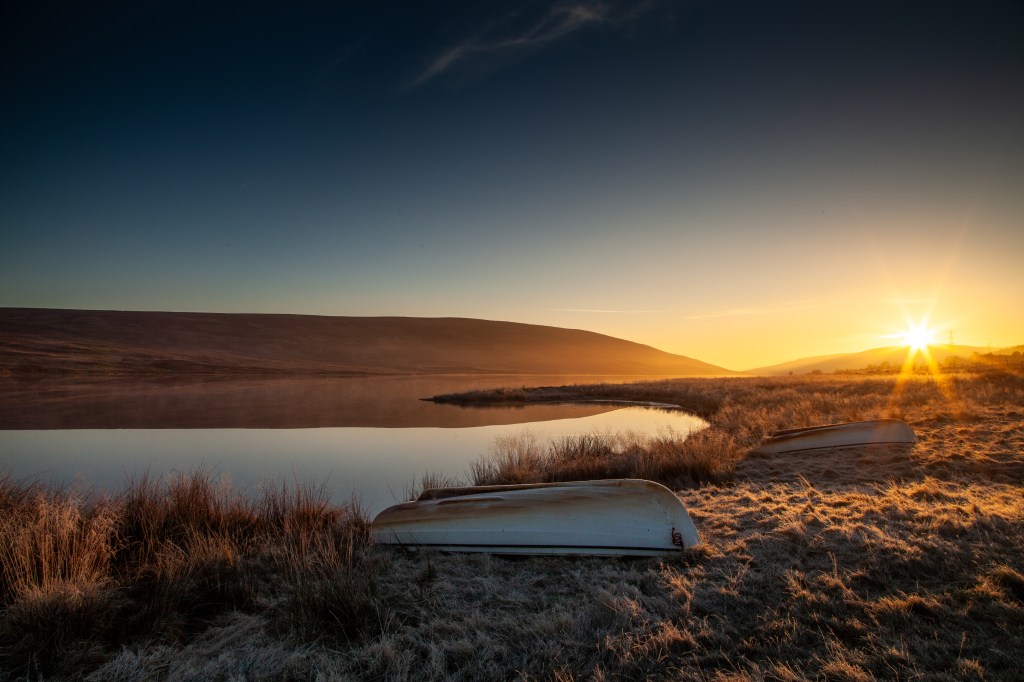
One of my all time favourites was from Loch Budhie, when I was up on a site with BAM. Great bunch of lads on that site! The A team!
Conclusion
For travel, I can’t see past the wee Sony A6000. It’s a bit dated now, but if you pair that camera with a small portable tripod you can get some stunning images. I wouldn’t even bother with the RX100; for me a waste of money. The phone is useful as well.
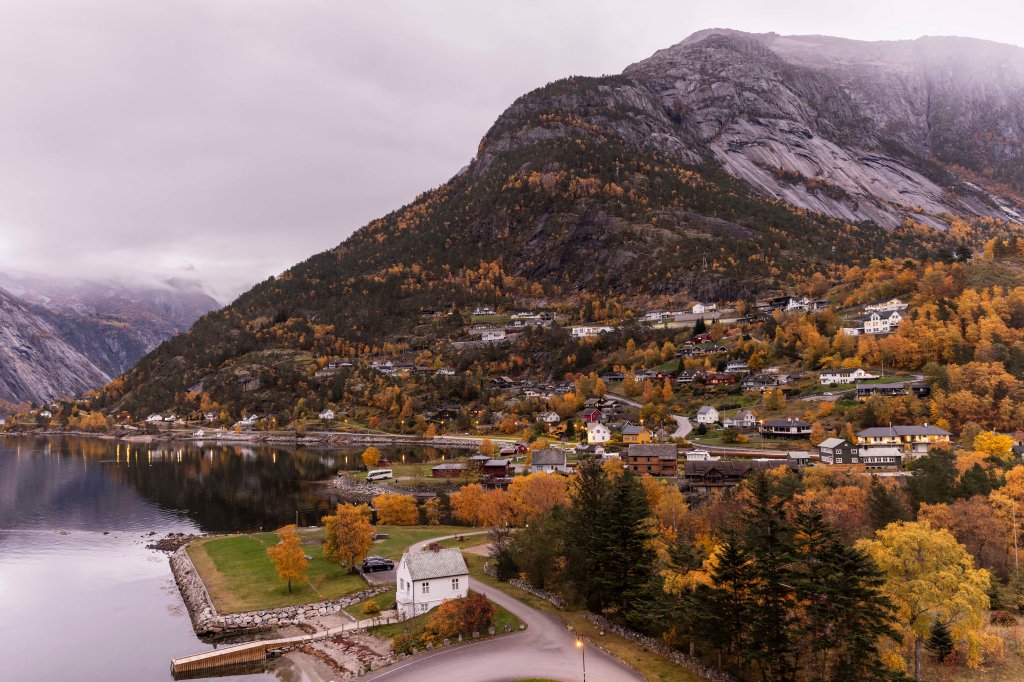
For the best possible quality, a full frame is the way to go, but really it is too bulky for travel; my last trip to Norway with my wife I took it with us but didn’t actually take it out of the cabin all that often; it really is just too bulky especially if you are in crowds etc. But with Image Stabilisation you can hand hold at relatively low shutter speeds like the one below taken in low light at 1/40th f/2.8 ISO 1600
Iain Cathro is a HND photography student with the British Academy of Photography.
 Iain Cathro Photography