Canon 300mm f/2.8
I bought this lens from FFordes about 6 years ago. The lens was The first image I took with it is shown below, which was taken in Glen Etive. For anyone who doesn’t know Glen Etive is where the Bond movie Skyfall was filmed. This image was taken with the lens was a Mk 1, leaded glass, was about 15 years old and cost me c £ 1500 at the time. They have a mark II for sale for £ 2,349 as I write this. I recommend using the likes of FFordes, Wex or MBP as their second hand kit is thoroughly inspected and guaranteed. This is important because Canon do not support repair of lenses of this age. I got mine serviced by the Lens Doctor in Blairgowrie who was absolutely brilliant but has unfortunately closed since then.
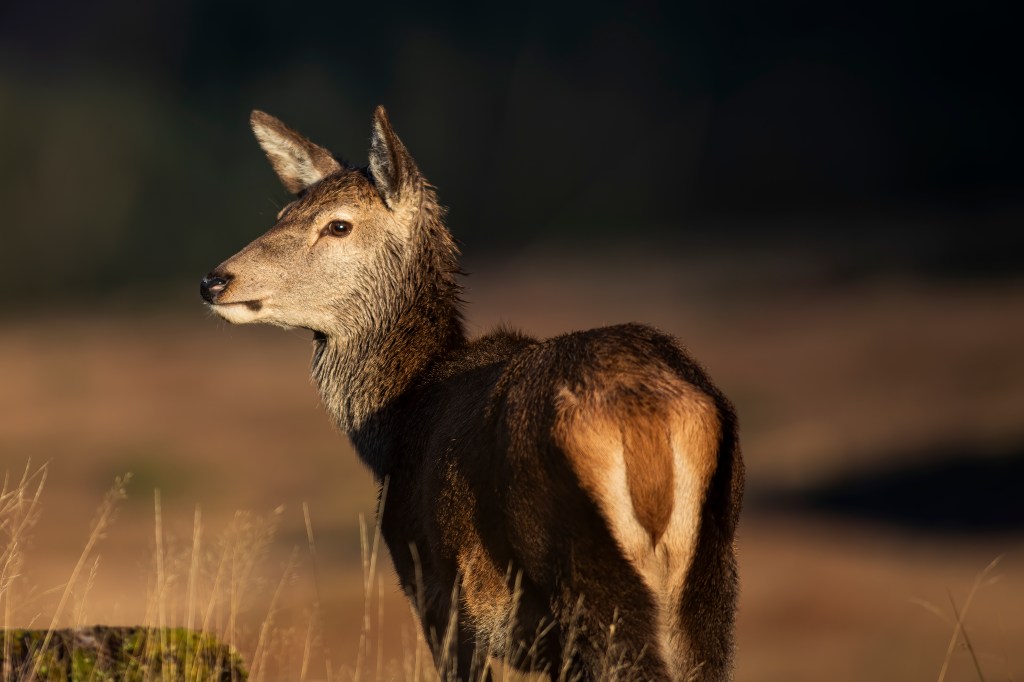
With these lenses they have to have the AF micro adjusted to the camera body. I managed to adjust to +15 on my 5DS but it was way outside parameters on the 5 D IV, that I took the above image with. Hence the eye is not sharp despite being bang on the autofocus point and shot at 1/1250. Canon offered to recalibrate the camera for £ 66 (which would be essential). Pro Photographer Thomas Eisl explains here.
I didn’t bother getting the lens / 5DIV paired, as I had managed to pair the lens to the 5DS. The detail produced by this camera is unbelievable BTW and it performs more like a medium format, at low ISO settings i.e. in good light. At the date of writing MPB are selling one with a shutter count of only 183k for £ 584.
Of course, it is not a problem if you pair this lens with the modern mirrorless cameras such as the R5 with the EF/R adaptor which works seamlessly.
So why do I like the lens? At 300mm it is on the short side i.e. you have to be reasonably close to your subject. Sometimes that is not possible; sometimes you are struggling even with a 600. BTW there is a lot of drivel spoken about teleconverters and sharpness. I use this lens with the 1.4 and 2 x teleconverters with little issue, other than losing 1 and 2 stops respectively.
Expert bird photographers Jan Wegner https://www.janwegener.com/ and Duade Paton https://duadepaton.com/ both of whom know what they are talking about, will tell you all you need to know about bird photography. They recommend stopping down when using teleconverters, but their work speaks for itself.
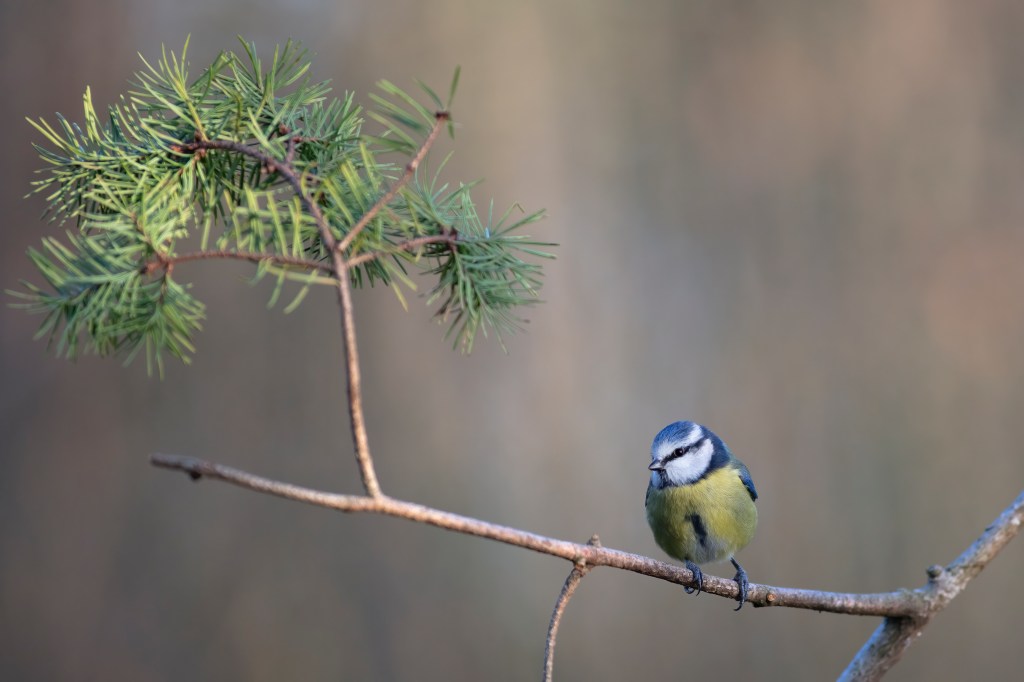
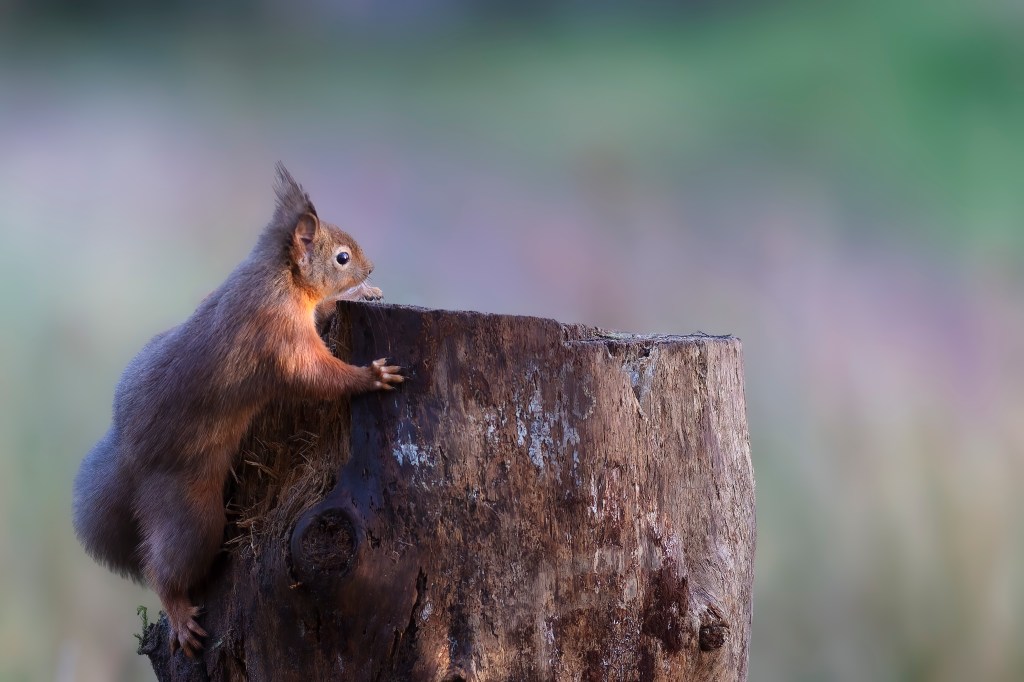
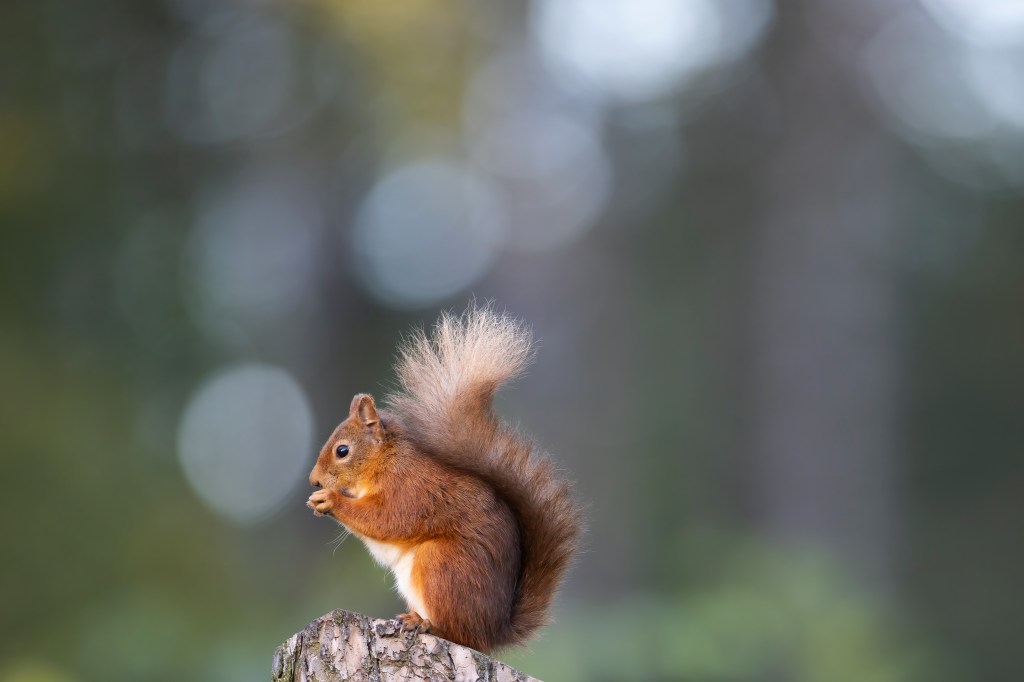
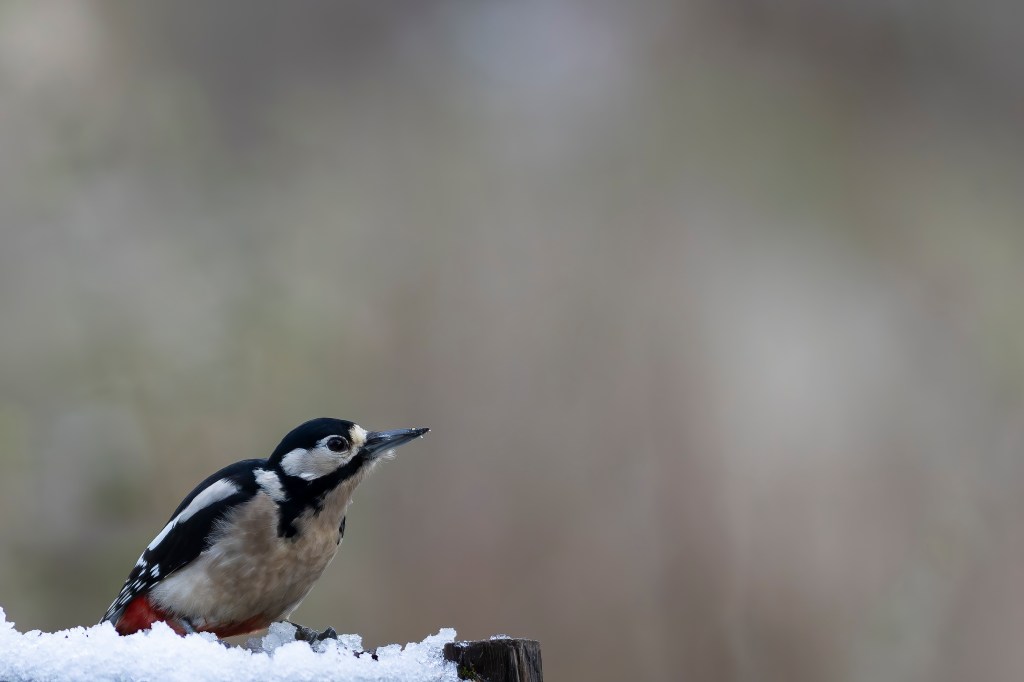
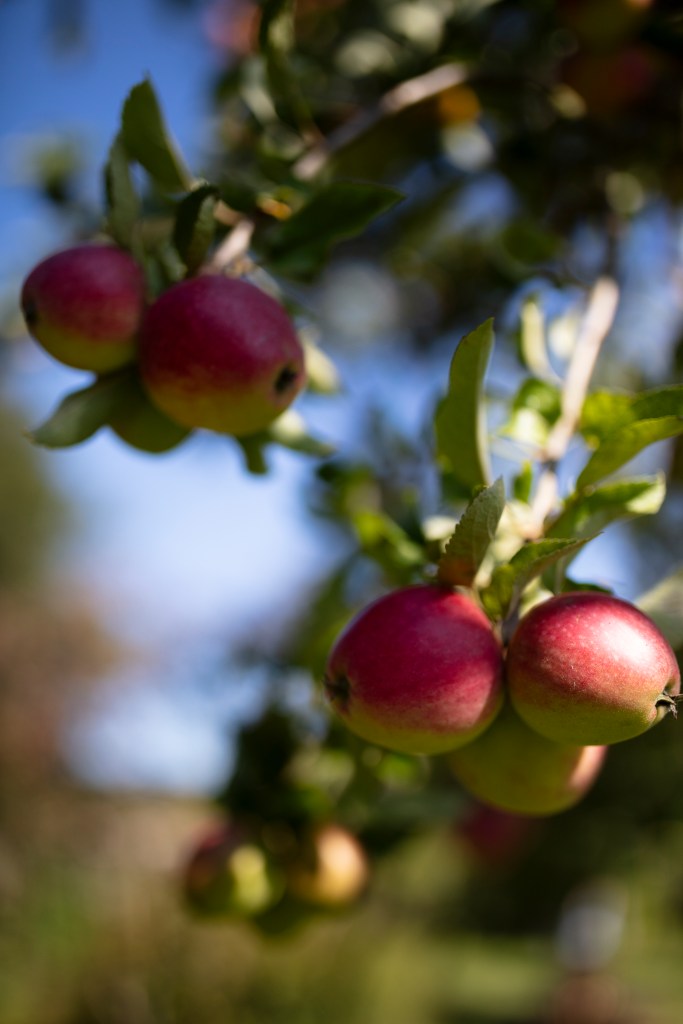
The reason I like the lens so much is what it does to the background. It obliterates it, and you end up with your attention completely on the subject, which is generally what you are trying to achieve. In decent light, the results can be spectacular.
Here are some sample images taken with this lens. They are not to Jan or Daude’s standard, but for me they are decent.
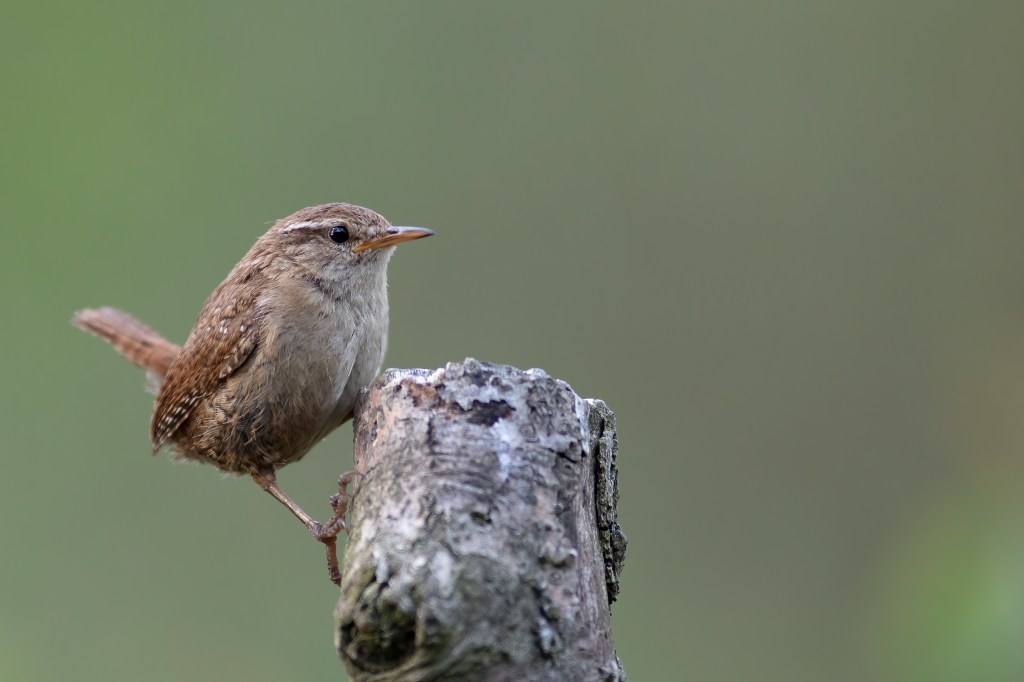
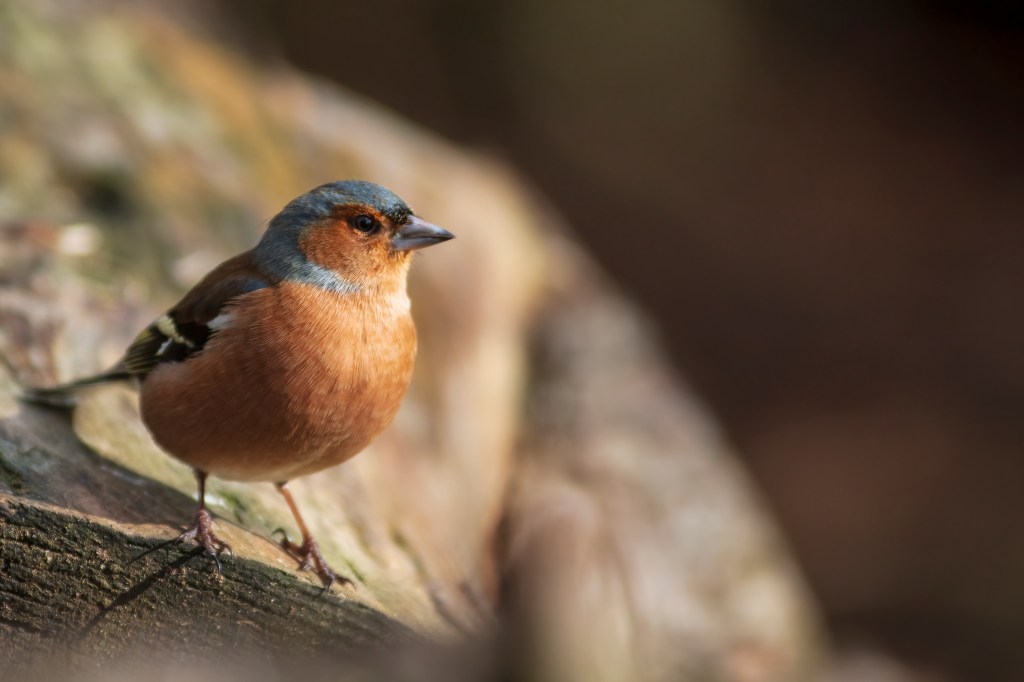
To prove the point about teleconverters – the image below was taken with the lens and a 2 x : it was not stopped down so taken at f/5.6 with a shutter speed of 1/3200 f a second (all of these images are taken hand held)
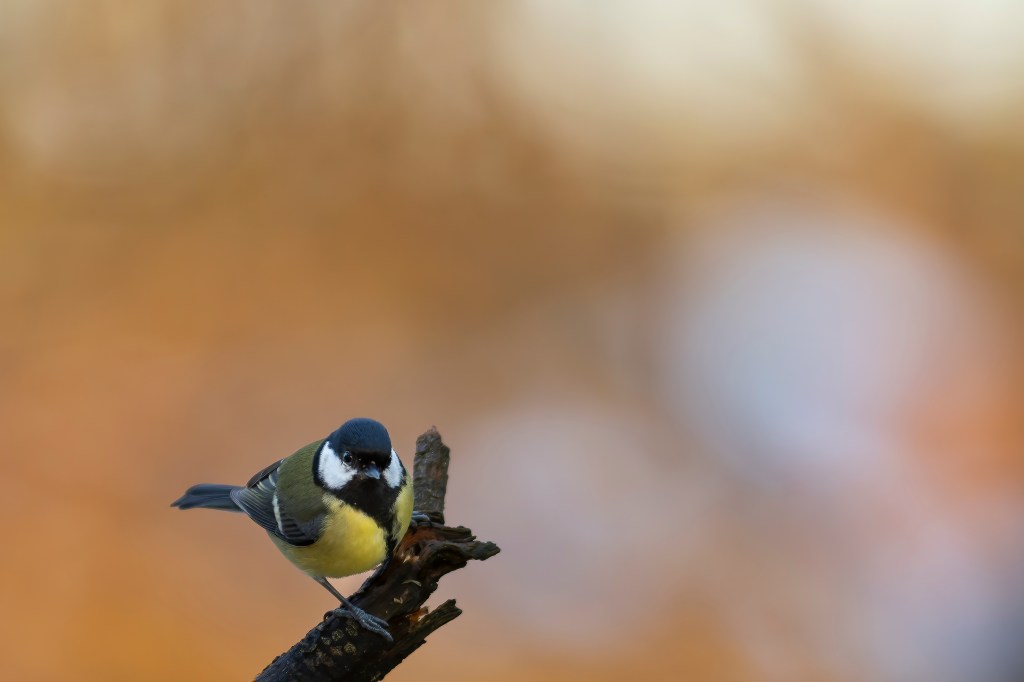
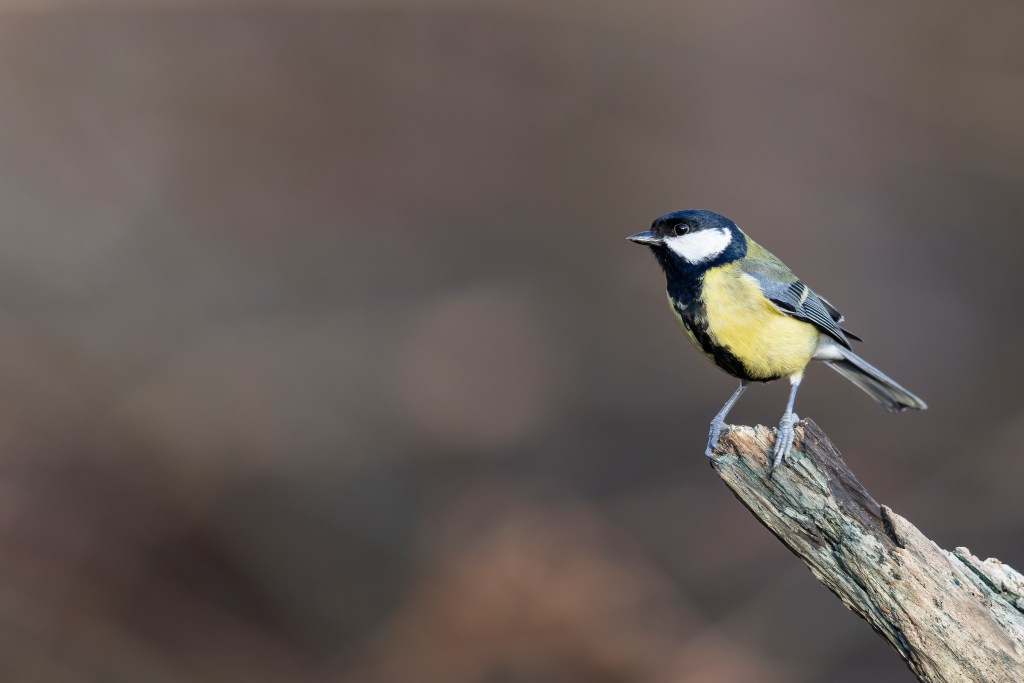
So, definitely one of my favourite lenses : I know as soon as I put this on the camera I am going to get good results, as long as the subjects get close to the hide! I have a few other lenses I also like, such as the 600 f/4 – which the image of the great tit (below) was taken. This lens comes at a cost, however.
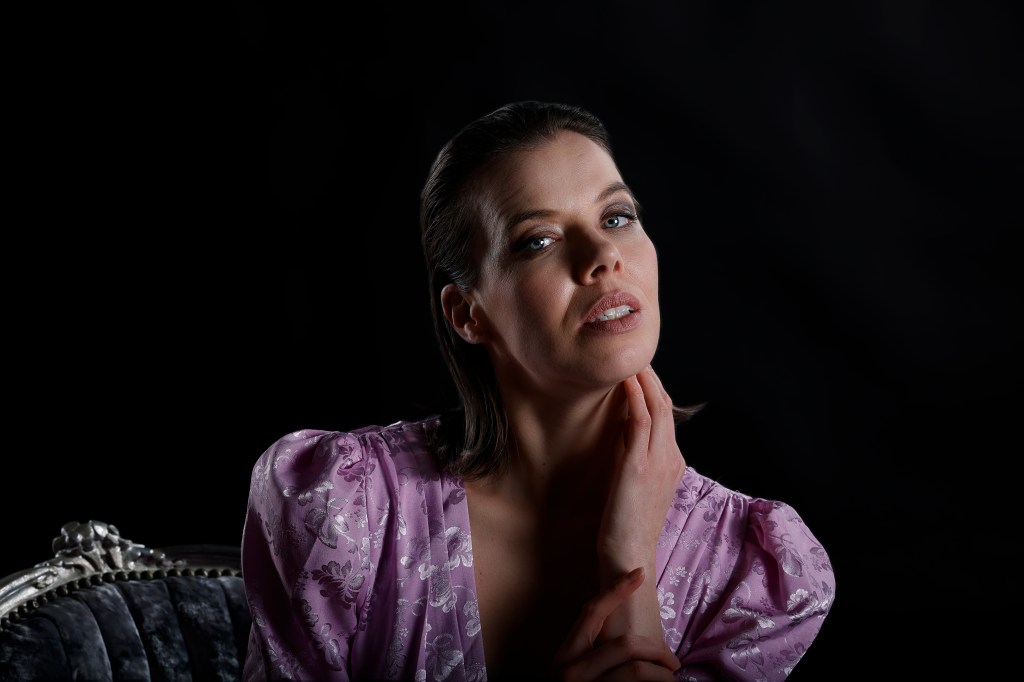
Some of the other lenses 2 I absolutely love are the 85mm RF f/1.2 – see below
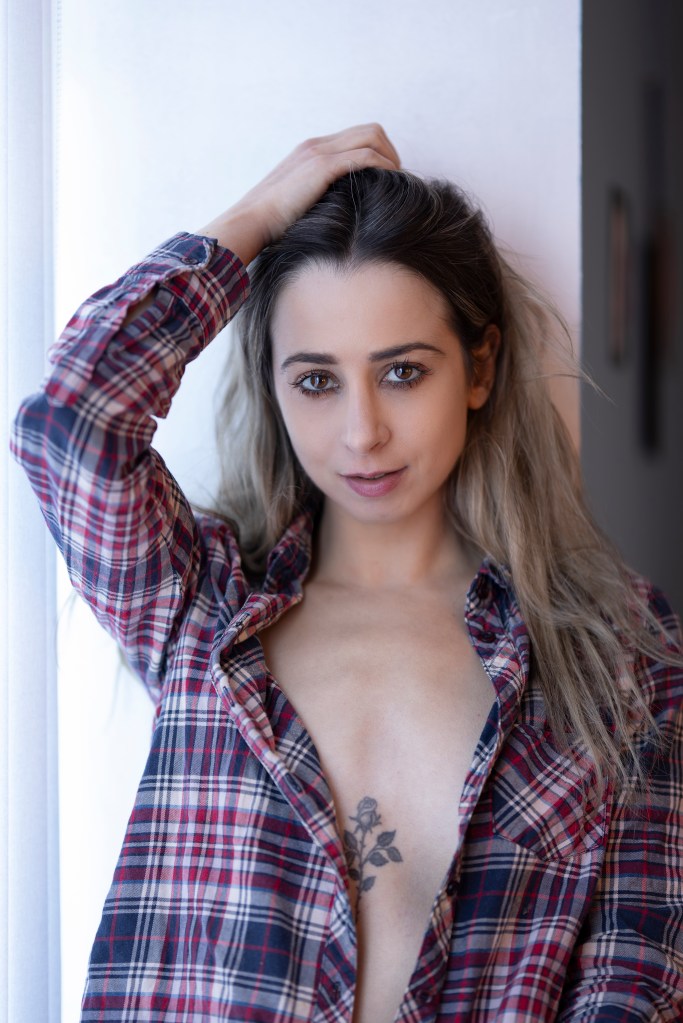
And the Sigma 105m f/1.4 EF – see below. A pro photographer described this lens as “a gimmick.” Anyone who knows me will know a comment like that I will absolutely go out of my way to prove him wrong.
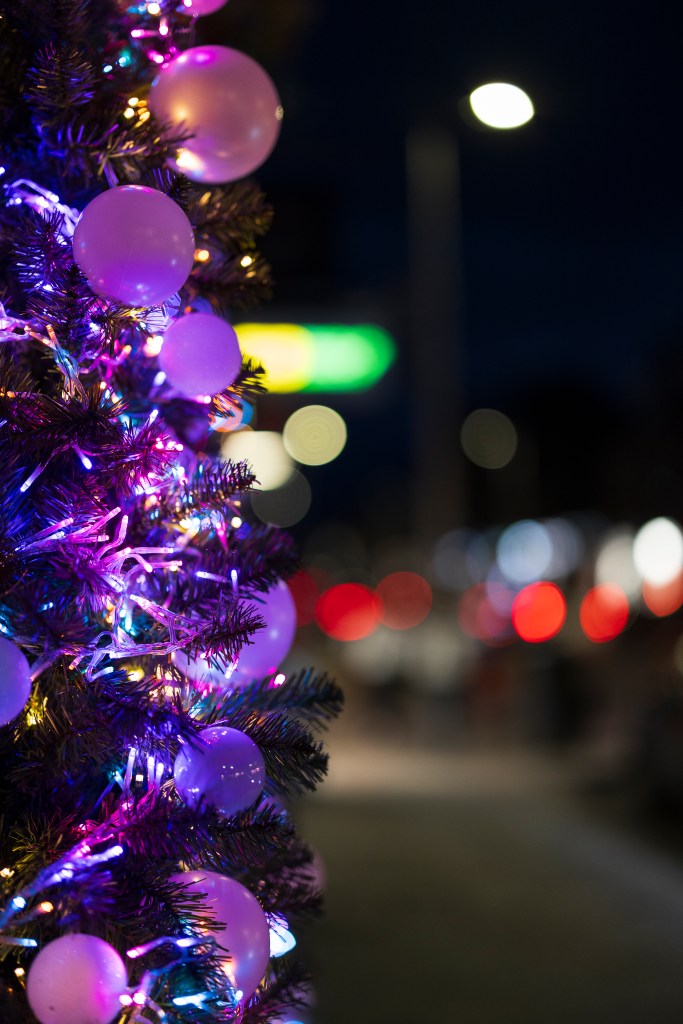
And the 50mm RF f/1.2 (see below)
To be fair I’m also quite fond of the Sigma 35mm f/1.4 EF art lens as well
I’ll do other blogs on these lenses later. In the meantime it’s pretty obvious I enjoy shooting wide open with top quality glass.
Photography is very subjective. I’m just under half way through an HND with the British Academy of Photography. I’m still struggling to finish the unit on AI. There are several reasons for this, but it is probably wise for me to keep my thoughts to myself, apart from saying I’m not fond of it. For me it’s application in photography is similar to using pesticides in gardening. They have their uses, but I’d rather avoid them if I can. But a good image to some is junk to another and vice versa. Expert Portrait photographer Damien Lovegrove – https://www.lovegrovephotography.com/ – stated it perfectly when he said on page 7 of his highly recommended book – Portraits – “Two key things I have learned about this photography malarkey is not to be too hard on myself and to be wary of competition judges’ opinions.”
If I can get that horrible AI unit out of the way over the holidays, it will allow me to focus on creating a portfolios (Unit 15) which I will find infinitely more motivating!
The next instalment on lenses will be coming soon.
 Iain Cathro Photography